With an abundance of natural resources, Tasmania’s primary industry sector is thriving.
This sector is the second largest in Tasmania and makes a significant contribution to the economy, particularly in regional areas.
You'll find growers who cultivate everything from fresh vegetables and fruit to wine grapes, grains and seeds.
The sector also includes farmers who manage dairy herds, beef cattle, sheep, pigs and poultry. Additionally, nurseries play a key role in supporting the industry by growing plants and trees.
Forestry businesses are involved in a number of activities, from the initial growing of forests to the cultivation and harvesting of plantations. They also carry out a variety of logging activities including the felling, cutting, shaping and hewing of timber.
This work is essential for managing our forest resources and providing materials for various industries.
Tasmania’s fishing businesses are dedicated to both traditional fishing and aquaculture. Tasmania is internationally recognised for its top quality aquaculture and wild fisheries products.
Species that are commercially farmed in Tasmania include abalone, Atlantic salmon, blue mussels, ocean trout, Pacific oysters and seahorses.
Wild fisheries include abalone, rock lobster, scallops, giant crab, scalefish, shellfish, seaweed, bull kelp and undaria.
Useful market information:
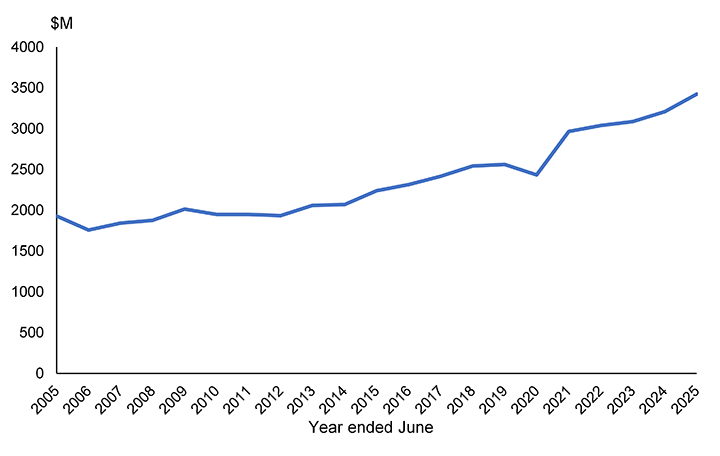
The agriculture, forestry and fishing industry increased by 6.7% in 2024-25 to $3.422 billion, in gross value-added terms.
Over the past 10 years, the agriculture, forestry and fishing industry has experienced a compound annual growth rate of 4.3%.
The sector now comprises 8.5% of total Tasmanian industry gross value added.
Agriculture, forestry and fishing contribution to Gross State Product
Source: Australian Bureau of Statistics - Australian National Accounts: State Accounts
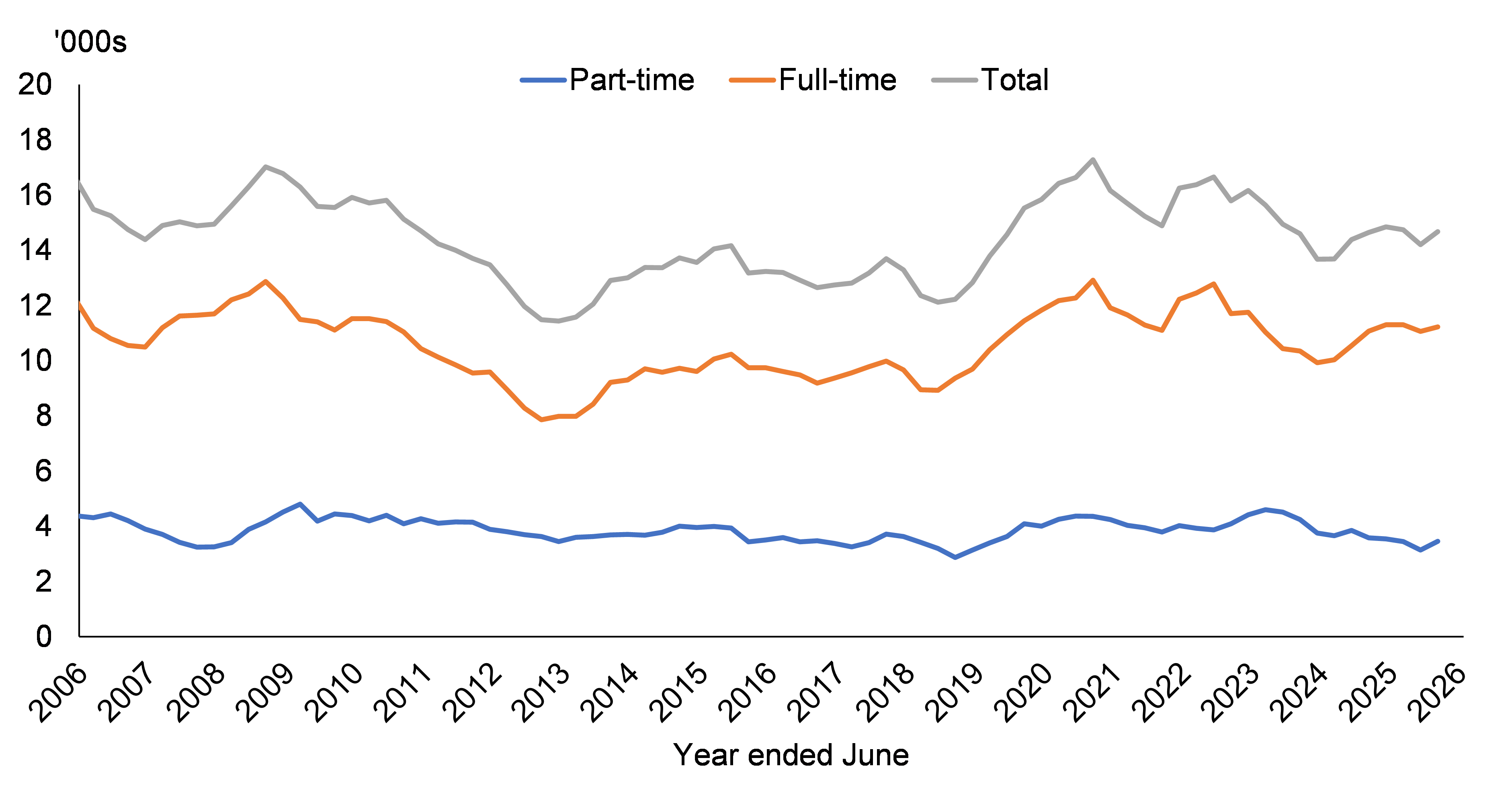
In the 12 months to February 2026
Total employment increased by 0.2% to 14,700 people.
Full-time employment increased by 1.4% to 11,200 persons.
Part-time employment decreased by 3.6% to 3,500 persons.
Agriculture, forestry and fishing employment level
Source: Australian Bureau of Statistics – Labour Force, Detailed
Why Tasmania?
With ideal growing conditions, affordable land, relative freedom from disease and pests, abundant water resources and strong research and development capability, it is no wonder that Tasmania is an ideal destination for food manufacturing and agri-businesses.
Find out why starting an agriculture, forestry, or fishing business in Tasmania can work for you in our Tasmania Delivers guide.
Starting an agritourism business?
Tasmania is a great place for people who want to mix farming with tourism.
If you’ve ever dreamed about welcoming visitors to your farm, running tours or sharing your homemade products, this could be the perfect time to start your own agritourism business.
There are so many ideas you can explore like farm stays, pick-your-own produce, tastings, markets or even holding special events like weddings or festivals.
It’s a chance to share your story, connect with your community and create something truly unique.
Starting any business takes time and planning, and agritourism is no different.
There are a few extra steps, rules and costs to think about – but don’t worry, you don’t have to figure it all out on your own.
Help is here
Agritourism is a growing opportunity in Tasmania, with strong visitor demand for authentic food, farm and nature-based experiences. Learn more from the research
To make things easier when planning your business, the Tasmanian Government has created a special guide just for people like you. It’s called the Tasmanian Agritourism Toolkit and it’s packed with useful information to help you every step of the way.
This guide can help you:
understand what permits and licences you might need
set up safe and welcoming spaces for food and drink
learn how to host events and work with experts
follow important rules for fire safety, accessibility and wastewater
get tips for keeping your business running smoothly.
There are also easy-to-read charts that show you exactly what steps to take for different types of agritourism businesses including wineries, breweries, dairy farms, fruit and veggie stalls, honey producers, farm stays, tours and more.
Agriculture, forestry and fishing support services:
Offering valuable resources tailored for farmers and small agricultural businesses including guidance on industry challenges, financial support and sustainable practices for rural businesses.
Providing information on available support services for individuals in rural and regional areas, including financial counselling, mental health assistance, and crisis support.
Helping farming families, small regional businesses and the rural community manage the ever-evolving demands and challenges facing primary and regional businesses.
Providing confidential and independent financial counselling to primary producers, fishers and small rural businesses that are suffering financial hardship and that have no other sources of impartial support.
A free and confidential service helping farmers improve workplace safety.
It provides practical advice, training and resources to reduce farm-related injuries and fatalities, raising awareness and simplifying safety management for safer, more sustainable workplaces.
Supporting Tasmanian farmers and rural communities in tackling drought and climate challenges.
It connects them with experts, researchers and traditional owners to drive innovation and practical solutions, ensuring farming remains sustainable and resilient.
Supporting agriculture, fisheries, food and forestry industries in North-West Tasmania, working with farmers and communities to protect our natural resources.
Fostering healthy landscapes and productive land in Southern Tasmania through partnerships, investment and knowledge-sharing for long-term sustainability.
Supporting Australia’s agriculture sector with biosecurity, production and trade programs. Helping businesses adapt, boost productivity and ensure long-term sustainability.
The peak body for the state’s wine producers, promoting Tasmania as a world-class cool-climate wine region.
They curate and market the five wine trails, publish annual guides and industry news, deliver membership services, events and marketing support to growers and cellar-door operators across the island.